


Is a DBT Group Right for You? What to Expect and Who It Helps
If you’ve been curious about joining a DBT Skills group, you’re not alone. Over the last decade, Dialectical Behavior Therapy (DBT) has become one of the most sought-after evidence-based treatments for people who want practical tools to manage emotions, improve relationships, and build a more grounded daily life.
In this post, we’ll explore what DBT groups are, who they help, and how to know if joining one might be a meaningful next step for you.

When Everything Feels Too Loud: Overstimulation in Parents of Young Children
Overstimulation isn’t just about sound or clutter. It’s when your body and mind hit their capacity for input, no matter how much you love the people around you. Learn more about the signs and what you can to do to address it.

Emotionally Focused Therapy (EFT) for Couples: How to Stop the Same Fights and Reconnect
EFT is an evidence-based, attachment-focused therapy that helps couples understand the patterns driving their conflict and reconnect through more vulnerable, safe, and responsive emotional conversations.

Postpartum OCD: Understanding and Managing Intrusive Thoughts After Birth
Postpartum OCD Understanding and Managing Intrusive Thoughts after Birth
Most new parents expect some degree of exhaustion, feeding challenges, and emotional adjustment after bringing a baby home. What many don’t expect are sudden, unwanted thoughts or mental images, often about something bad happening to their baby.

Postpartum Rage: What It’s Trying to Tell You
Postpartum Rage: What It’s Trying to Tell You
Postpartum rage is a common and overlooked experience for new moms. Learn why it happens and how to cope with anger after having a baby.

Therapy Buzzwords: The Essential Guide for the Emotionally Curious
Therapy Buzzwords: The Essential Guide for the Emotionally Curious
CBT? DBT? EMDR? Is this a therapist directory or the lineup at a music festival?
If your search history includes the phrase “what type of therapy is best for me” and you’ve abandoned more Psych Today tabs than unread newsletters in your inbox, this guide’s for you.

What It’s Like to Be in a Therapy Group in NYC: A First-Timer’s Guide
What It’s Like to Be in a Therapy Group in NYC: A First-Timer’s Guide
In New York City, it’s easy to be surrounded by people and still feel profoundly alone. Group therapy offers something rare in a fast-paced city—it offers a chance to slow down, speak honestly, and be seen.

How to Know If Psychological Testing Is Right for You
Psychological testing involves completing a series of tasks and answering questions designed to give insight into how you think, feel, and behave in various areas of your life. The specific tests you take are customized to meet your unique needs and questions, helping to create a holistic picture of your mental and emotional well-being.

Understanding Complex Post-Traumatic Stress Disorder
Complex Post-Traumatic Stress Disorder (CPTSD, C-PTSD, Complex-PTSD) refers to the impact of prolonged, unavoidable, relational trauma. Such repeated trauma tends to negatively impact the survivor’s sense of safety, self-esteem, trust in self, and trust in others.

Practical Techniques to Help You Handle Criticism
It is very common for people to have strong emotional reactions to perceived criticism. This is because criticism often triggers an underlying negative narrative or belief we hold about ourselves, which can provoke the experience of shame. When we receive criticism that touches on a negative belief we have about ourselves or something that we hold shame around, it can feel like that feedback is proving that there is something inherently wrong with us as a person, instead of serving as a piece of feedback about our performance.

The Relationship Between Alcohol and Anxiety
Many of us who tend to feel anxious in social situations, otherwise known as social anxiety, may lean on alcohol to help manage those feelings of anxiety when we do socialize. A few drinks can make us feel carefree and confident and this can make alcohol feel important to our enjoyment of socializing. However, the relationship between anxiety and alcohol might be more counterintuitive than it seems.

Panic Attacks: Your Emotional Fire Alarm
Roughly one in ten adults will have at least one panic, or ‘anxiety’ attack every year. Fortunately, panic attacks aren’t random. In fact, panic attacks are very predictable because they are triggered by internal or external cues of perceived threats.

Mastering the Art of Conflict
Most people don’t look forward to fighting with their partner. Conflict with your partner can be painful. However, if done effectively, it can also create positive change and help you and your partner learn more about each other. As a couples therapist, I consistently witness the power of increased understanding and compassion that comes from fighting.

Surviving Toddler Tantrums
Your child asks for water. You give your child some water. And suddenly the screaming starts…What is going on? The water could have the wrong temperature, could be in the wrong cup, your child may not like the way you handed them the water – who knows. The one thing that is clear is that your child is about to have a tantrum. Read on to learn what tantrums are, why they happen, how to deal with them, and better yet, how to prevent them.

Tips for Stress Management
Are you looking for help to manage your stress? Here are steps you can take to feel more calm and in control.

Skills for Anger Management
Society has conditioned us to view anger as a bad emotion. However, the experience of anger in and of itself is not a bad thing. Emotions-including anger-are neither good nor bad. All emotions have functions.
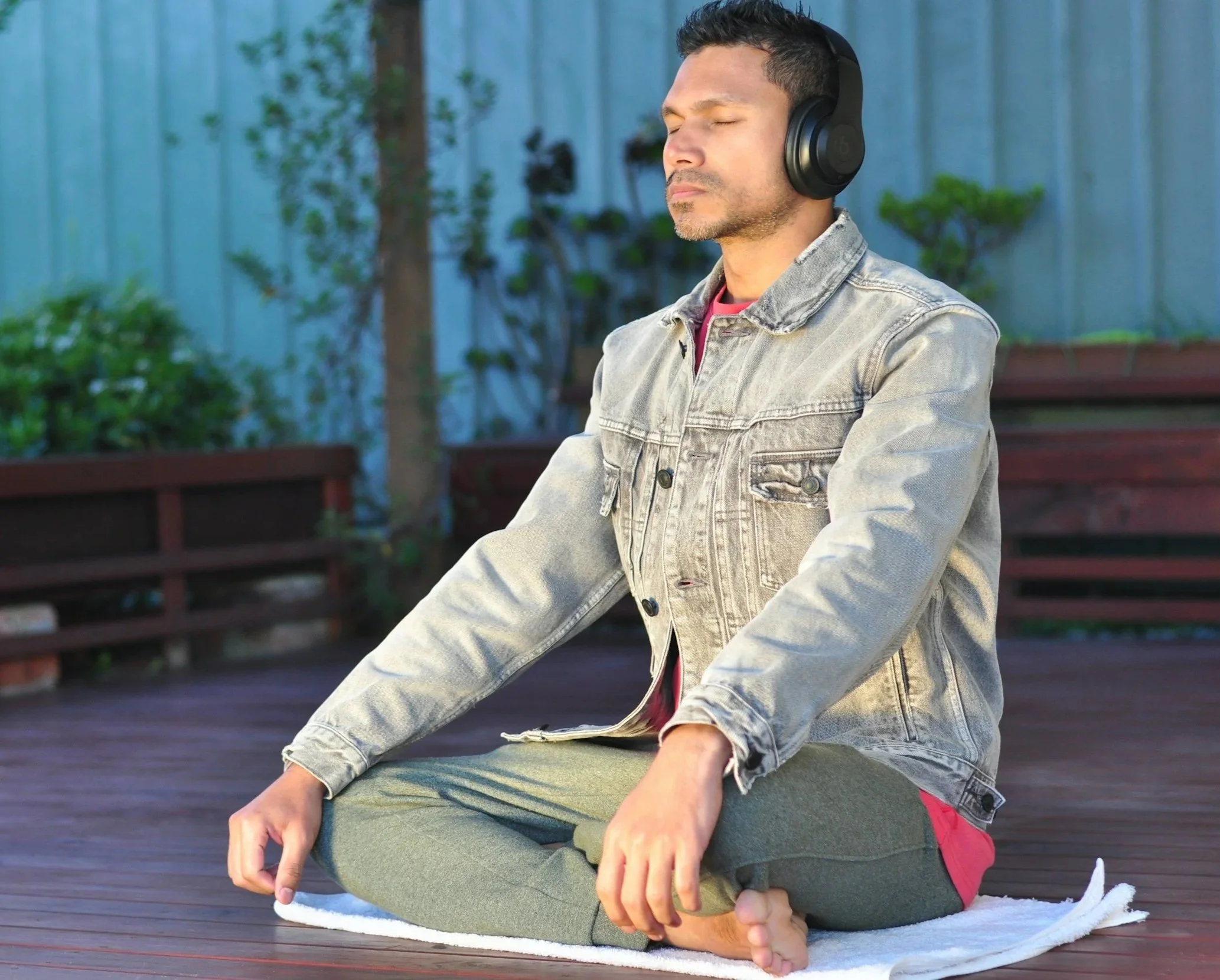
Simple Grounding Techniques
While it is important to understand and feel our emotions, not every occasion is appropriate or useful for doing so. You can use these simple grounding techniques to help you detach from emotional pain that isn’t effective for you to feel in the moment. Grounding techniques work by shifting your attention and focus to something other than the difficult emotions or thoughts you are experiencing.


Anger
If you take a poll and ask people which emotion they would least like to feel, chances are that most people would say anger. Anger tends to get a bad rap because the action urges associated with it (yelling and fighting) tend to be frowned upon by society. However, anger, like all emotions, serves an important function. Anger is a signal to ourselves that something is off, something is bothering us, and that we should slow down and take stock of what set it off.

Time Outs: The Secret to Healthy Conflict
Believe it or not, arguing can save your romantic relationship. Differences are inevitable in intimate relationships and conflict provides an opportunity to harness healthy aggression to clear the air and make space for growth. More relationships die by ice than by fire— meaning the bigger danger is disconnection, not conflict. However, not all arguments are created equal. Studies show that fights filled with contempt, stonewalling, criticism, and defensiveness erode relationships. Learning to fight well is key in lasting relationships.
Ready to find your therapist?
Start with a brief conversation with one of our directors, senior psychologists who personally guide every match. We’ll take the time to understand what matters most to you and connect you with the therapist who is the best fit for your needs.