More Than Just the Baby Blues: Postpartum Depression
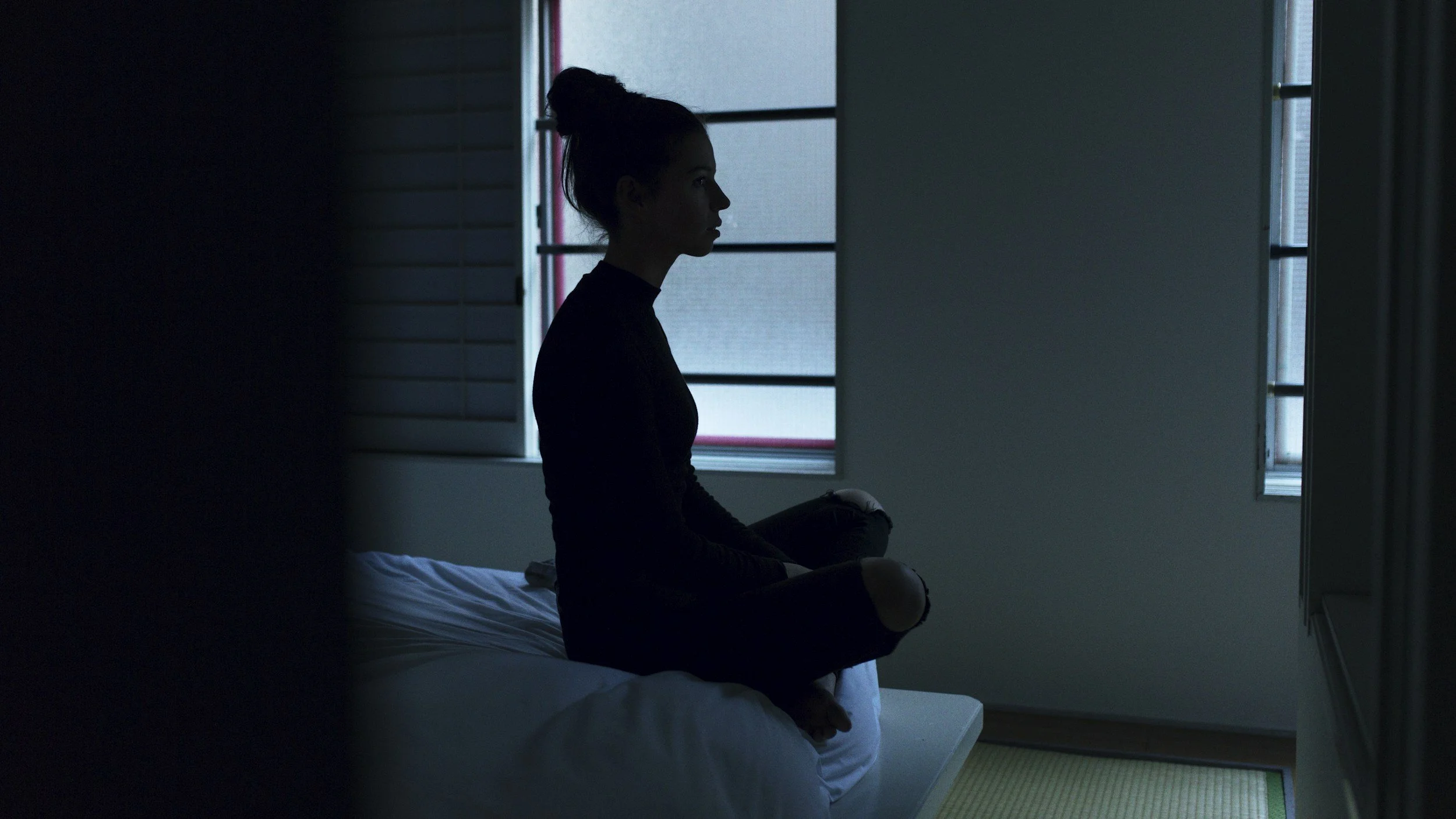
When a baby is born, many assume that the birthing parent will be nothing less than overjoyed.
However, it is more typical for birthing parents to experience a range of complex emotions after bringing a baby into the world
You can use these simple grounding techniques to help you detach from emotional pain that isn’t effective for you to feel in the moment. Grounding techniques work by shifting your attention and focus to something other than the difficult emotions or thoughts you are experiencing.

There has been a steady increase in attention on PPD over the past two decades. There are two reasons for this. First, it was officially recognized as a distinct mental illness in the late 1990s which led to an increase in the science and literature on the subject. Second, celebrities have begun to speak out about their experiences with PPD, which may have eliminated some of the shame around the subject and helped others understand their own experience. But what actually is Postpartum Depression?
What Does PPD Look Like?
Many are familiar with the “baby blues”, or a two-week period after delivery where a birthing parent’s mood may be lower than normal due to a drop in hormones. This may look like intense crying, an increase in anger or anxiety, and feelings of sadness. The key is that whatever the symptoms are, they only last for a short time. Postpartum depression on the other hand tends to be more severe and long-lasting. Some of the symptoms of postpartum depression include:
Feelings of anger or irritability
Lack of interest in the baby
Crying and sadness
Feelings of guilt, shame, or hopelessness
Loss of interest, joy, or pleasure in things that you used to find enjoyable
Possible thoughts of harming the baby or yourself
If you identify with any of these symptoms, the first thing to realize is that you are not alone….1 in 7 women and 1 in 10 men experience postpartum depression. These numbers may even be an underestimation, as experts agree that PPD is often under diagnosed because those who endure it may be too ashamed to seek help. There is help though!
Ways to get Help
Build A Support Network
New parenthood can be a very isolating time, so reach out! If you do not have close friends or family nearby, consider trying baby and toddler classes, join a local parent Facebook group, or download apps like Peanut that can connect you with other parents.
Take Care of Yourself
So much of new parenthood is an identity shift, so finding ways to connect back to the “you before parenthood'' is critical in helping to cope with the postpartum period. This may look like, getting out in the sunshine, pampering yourself, exercising (when medically appropriate), or watching a favorite TV show. Whatever “it” is, finding space to have “you” time is incredibly important.
Psychotherapy and Medication
Therapists can help an individual better understand their depression and also provide tools and skills that can help a person better cope with the postpartum period. Here at Therapists of New York there are clinicians specifically trained to work with individuals who are experiencing postpartum depression.
If the depression is very severe a doctor may suggest antidepressants in addition to therapy to help combat the symptoms.
Resources and Ways to Learn More & Find Help
Postpartum Support International - https://www.postpartum.net/
Postpartum Progress - https://postpartumprogress.com/