

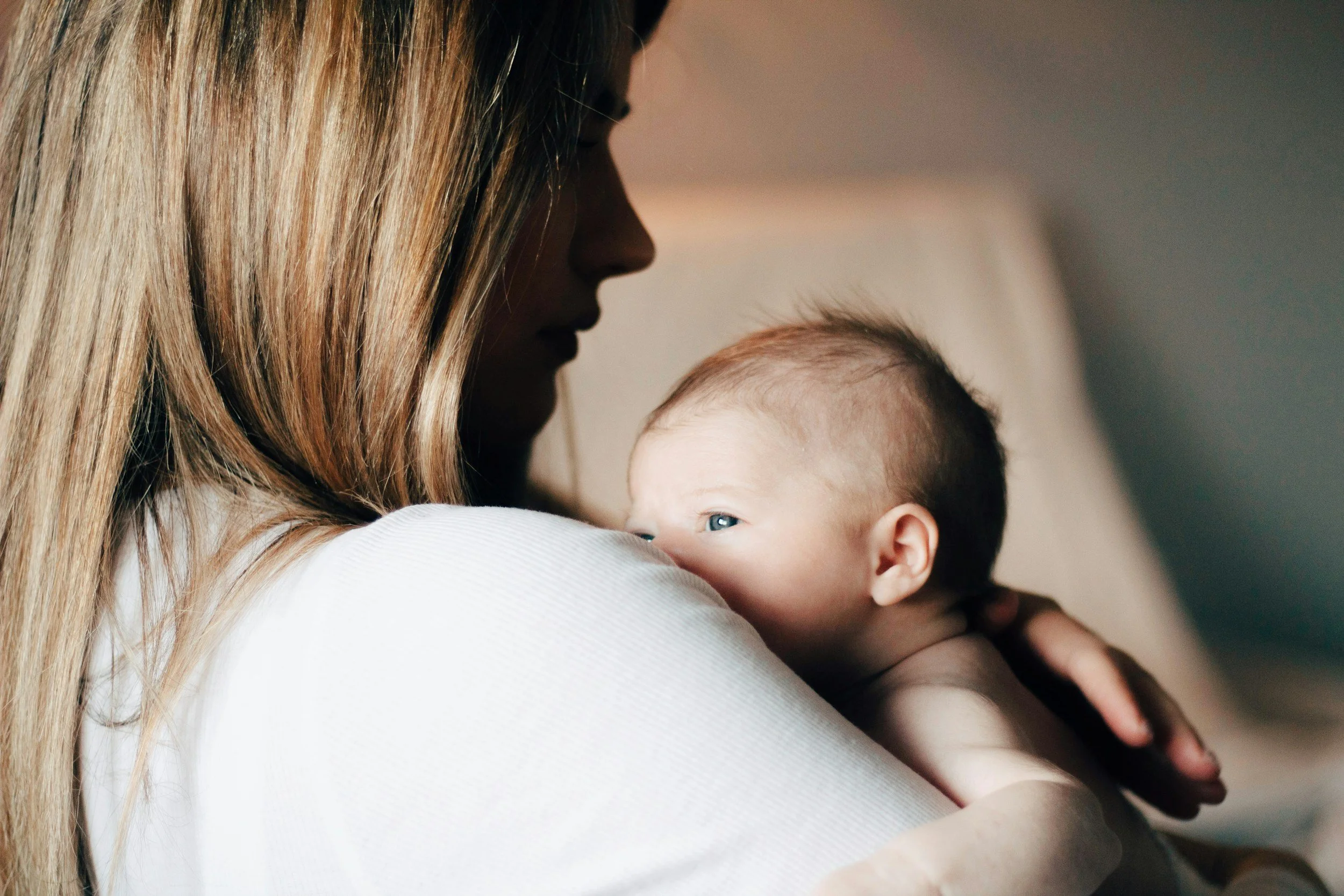
Signs It Might Be Time to Talk to a Therapist Postpartum
Many people assume that needing therapy after having a baby means constant tears, overwhelming sadness, or feeling like everything is falling apart. In reality, postpartum struggles are often much quieter.

When Everything Feels Too Loud: Overstimulation in Parents of Young Children
Overstimulation isn’t just about sound or clutter. It’s when your body and mind hit their capacity for input, no matter how much you love the people around you. Learn more about the signs and what you can to do to address it.

Postpartum OCD: Understanding and Managing Intrusive Thoughts After Birth
Postpartum OCD Understanding and Managing Intrusive Thoughts after Birth
Most new parents expect some degree of exhaustion, feeding challenges, and emotional adjustment after bringing a baby home. What many don’t expect are sudden, unwanted thoughts or mental images, often about something bad happening to their baby.

Postpartum Rage: What It’s Trying to Tell You
Postpartum Rage: What It’s Trying to Tell You
Postpartum rage is a common and overlooked experience for new moms. Learn why it happens and how to cope with anger after having a baby.

7 Tips For Staying Connected After Welcoming a Baby
7 Tips For Staying Connected After Welcoming a Baby
Becoming parents is a profound transition—one that reshapes your routines, priorities, and even your relationship. In fact, research shows that 67% of couples experience a decline in relationship satisfaction in the first few years of parenthood. Between sleepless nights, endless feedings, and the weight of new responsibilities, it’s easy for connection to take a backseat.
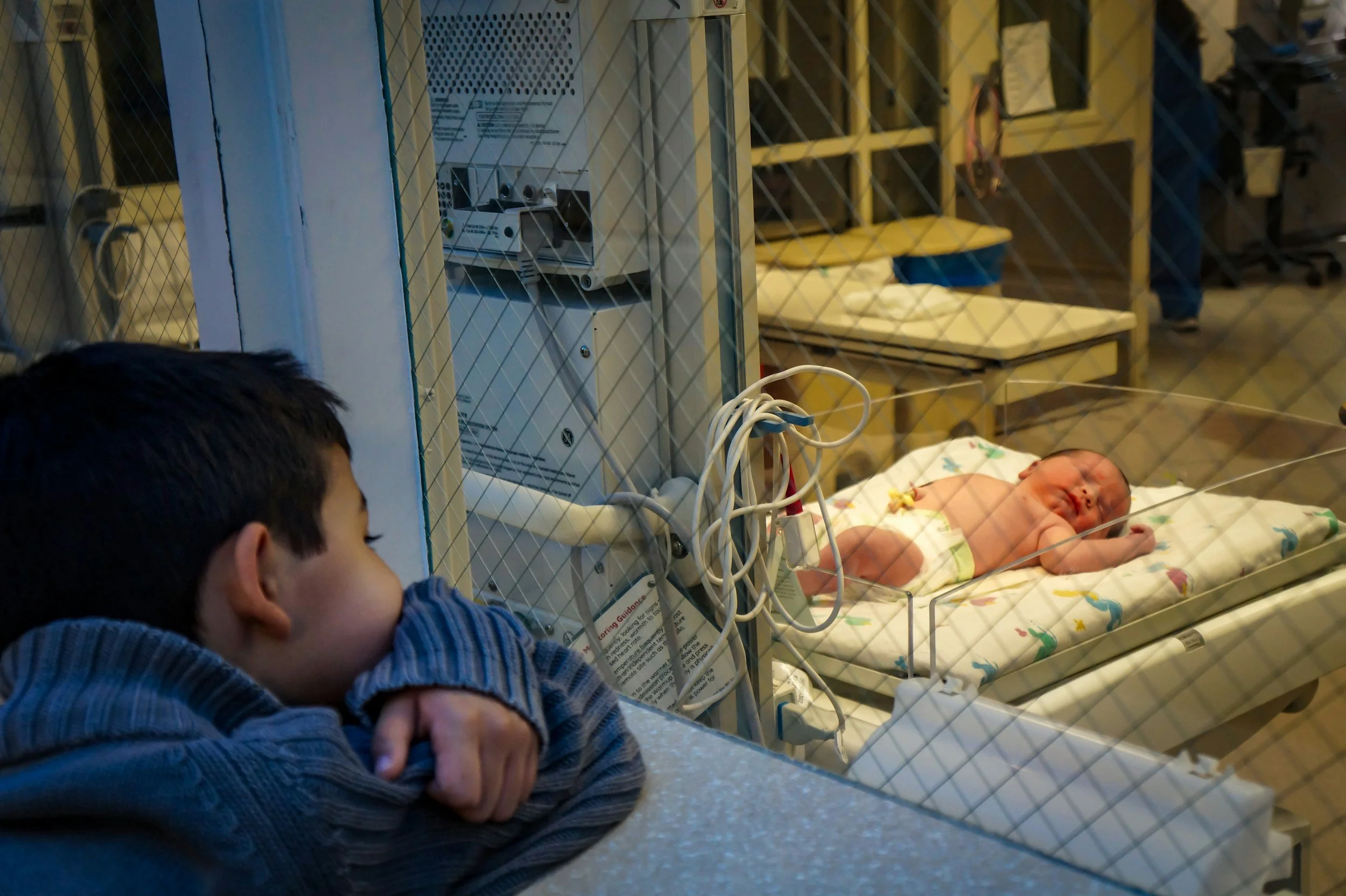
Addressing the Mental Health Impact of a NICU Stay: Coping with Stress and Trauma
A stay in the Neonatal Intensive Care Unit (NICU) can be an incredibly overwhelming and stressful experience for parents. Whether it’s due to a preterm birth, complications during delivery, or health issues arising shortly after birth, having a newborn in the NICU can affect both the baby and the parents—emotionally, mentally, and physically.
Preparing for the Fourth Trimester: The Importance of a Postpartum Care Plan
Welcoming a baby into the world is a transformative experience filled with joy, challenges and countless unknowns. As a perinatal psychologist, I have had the privilege of walking alongside many families during this special time and one important but often neglected thing I’ve learned is that having a plan for the postpartum period can make a world of difference. The postpartum period, sometimes called the “fourth trimester,” is just as important as the pregnancy and birthing process. A thoughtful postpartum care plan can help you navigate those early weeks, support your mental health, and set you up for success as a new family.

The Role of Therapy in Supporting New Parents
Becoming a parent is a monumental life shift, one filled with both anticipated adjustments and unexpected emotional twists. While new parents may brace themselves for the practical changes like disrupted sleep schedules and increased responsibilities, the whirlwind of emotions that accompany parenthood often still catch them off guard. This is where therapy can be particularly helpful in adjusting to your new role.

Unseen Struggles: Shedding Light on Postpartum PTSD
Embarking on the journey of pregnancy and childbirth is often envisioned and portrayed as a joyous and exhilarating time. However, for some birthing individuals, the postpartum period can bring unexpected challenges that go beyond the more commonly discussed topics of postpartum depression and anxiety.

Perinatal Depression in Fathers
While perinatal depression in women during pregnancy and the postpartum period has become more widely acknowledged, it is less commonly recognized those who identify as men. Recent research has indicated that, in fact, 4 to 25% of fathers globally experience postpartum depression (PPD). Fathers are at highest risk for developing perinatal depression during the first trimester of pregnancy. Rates for postpartum depression in fathers are highest at 3-6 months after birth, typically due to factors such as a 4-month sleep regression or the return to work of the birthing parent, but can continue until one year postpartum which may contribute to under recognition of paternal PPD.

Normal Nervousness or Postpartum Anxiety? Understanding the Differences
Postpartum anxiety is estimated to affect around 10% to 20% of women in the postpartum period. However, it’s important to note that the actual numbers may be even higher due to the underreporting and difficulty in distinguishing between normal nervousness and postpartum anxiety.

The Utility of Mindfulness During Pregnancy and Postpartum Recovery
Birthing individuals undergo many changes during conception, pregnancy, and postpartum recovery that often have impacts on their mental health. Parents who practice mindfulness are more likely to have greater self-compassion. Studies have shown that practicing mindfulness exercises for as little as three minutes daily can have significant and long-lasting improvements in one’s mental health.

Space to Grieve: Supporting loved ones through pregnancy loss
Although today’s culture is more open about discussing women’s mental health, pregnancy loss continues to be a topic seldom discussed. This silence around a common occurrence (10-25% of pregnancies are lost) can lead to feelings of isolation for the birthing partner and close family. Additionally, the lack of information can leave friends and family wondering how to show up for their loved ones and support them after loss. While every person’s experience of pregnancy loss is different, here are some general suggestions to help you be there for your loved ones.

The Good Enough Mother: Interrupting Perfectionism and Fostering a Healthier Relationship to Parenting
In parenthood there is often a desire and pressure to get it right, but not just right, perfect. The perfect schedule, the perfect educational toys, the perfect amount of independent play versus structured play, the perfect sleep schedule, the perfect amount of screen time, the perfect weight, the perfect latch, and so on, and so on…
More Than Just the Baby Blues: Postpartum Depression
When a baby is born, many assume that the birthing parent will be nothing less than overjoyed. However, it is more typical for birthing parents to experience a range of complex emotions after bringing a baby into the world. When these emotions become predominantly negative and longstanding, leaving parents feeling like they don’t know what to do, where to turn, or whom to ask for help, they may be experiencing Postpartum Depression (PPD).
Ready to find your therapist?
Start with a brief conversation with one of our directors, senior psychologists who personally guide every match. We’ll take the time to understand what matters most to you and connect you with the therapist who is the best fit for your needs.