Space to Grieve: Supporting loved ones through pregnancy loss
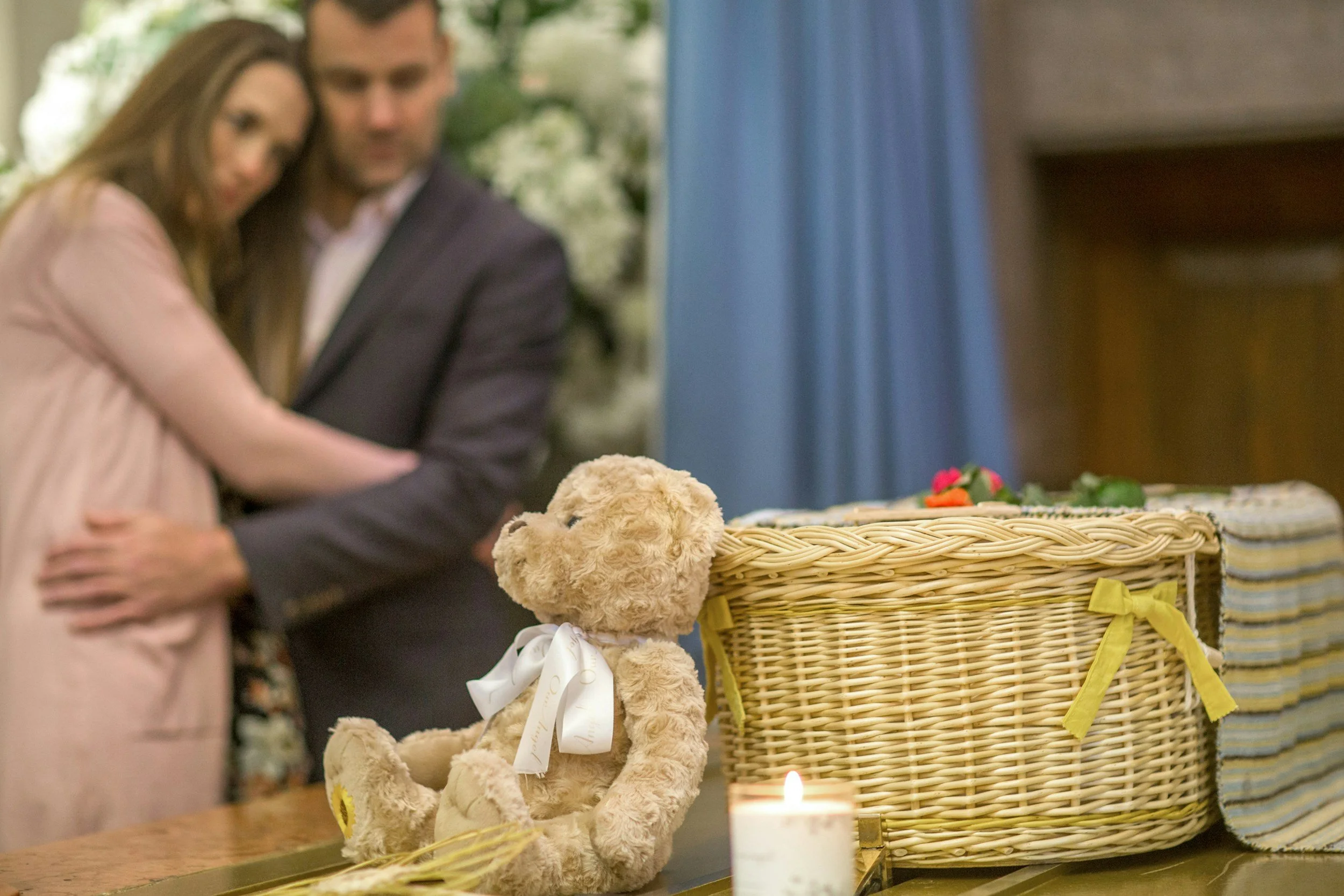
Although today’s culture is more open about discussing women’s mental health, pregnancy loss continues to be a topic seldom discussed.
This silence around a common occurrence (10-25% of pregnancies are lost) can lead to feelings of isolation for the birthing partner and close family.
Additionally, the lack of information can leave friends and family wondering how to show up for their loved ones and support them after loss. While every person’s experience of pregnancy loss is different, here are some general suggestions to help you be there for your loved ones:

Show up
Sometimes when we don’t know what to say, we decide not to say anything at all. This only perpetuates the post-pregnancy loss isolation that many individuals experience. While some individuals would prefer privacy, others would prefer to talk about it. Check-in, offer support, and communicate that you are a listening ear if and when they need you. It is important to note that by checking in or offering support, you are not prompting the person to think about the loss. Instead, you’re giving them an opportunity to share about something that is most likely already on their mind in one way or another.
Listen and keep it simple
If you are unsure where to start, sometimes the shortest phrases, such as “I’m so sorry,” can have the most impact. After that, the best thing you can do is listen and try to validate the person’s experience. Another important thing to listen out for is if the family has named the baby. If they have, it can be important to say the child’s name as a way to communicate to the family that you are listening
Remember the whole family unit
The person carrying the pregnancy is usually not the only one deeply affected by the loss. Spouses and partners may be grieving as well. While they have had to step up to support the expectant partners, this won’t necessarily mean they are “ok.” A small check-in can give them the space to share their feelings.
Give space to grieve
Because pregnancy loss is so misunderstood, those experiencing it may feel like they cannot grieve or if they do, they may feel that they are grieving for “too long”. Mourning may even continue after a subsequent full-term pregnancy and that too is okay. Some important sentiments to communicate to your loved one are that grief has no playbook, there is no right way to grieve, and there is no timeline. By acknowledging the pain of the expectant individual, you are endorsing the real relationship with a baby that came to an end.
It can be hard to know how to show up for someone when they experience loss. Your best bet is to approach your loved one with genuine empathy, care, and compassion. A little support during a very difficult time can go a long way in helping someone heal.
Click here if you want to work with a therapist so you can best support your loved one.